Leviathan River
Whales and the Making of Hudson
Front Room Gallery
August 1st- August 23rd, 2026
Opening Reception, August 1st from 4-6PM
Featuring: Mike Asente, Thomas Broadbent, Peggy Cyphers, Chris Coffin, Beth Dary, Debra Drexler, Linda Ganjian, Linda Griggs, Amy Hill, Yuliya Lanina, Jess Levey, Monique Luchetti, Stephen Mallon, Mark Masyga, Gabriela Portas, Ken Ragsdale, Eileen Sackman, Pearl Silverberg, Shira Toren, Yeachin Tsai, Joanne Ungar, Alanna Vanacore, Kathleen Vance, Jeff Wigman.
Opening: Saturday, August 1st, from 4-6 PM for the opening reception of Leviathan River, Whales and the Making of Hudson.
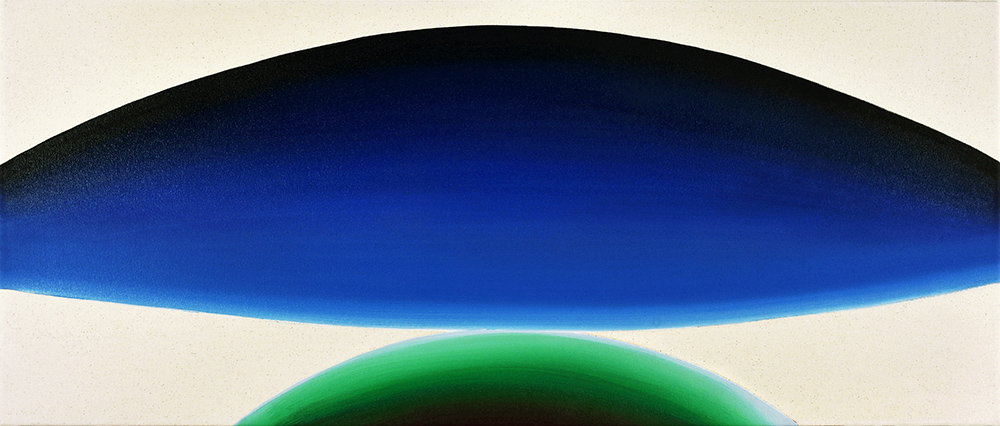
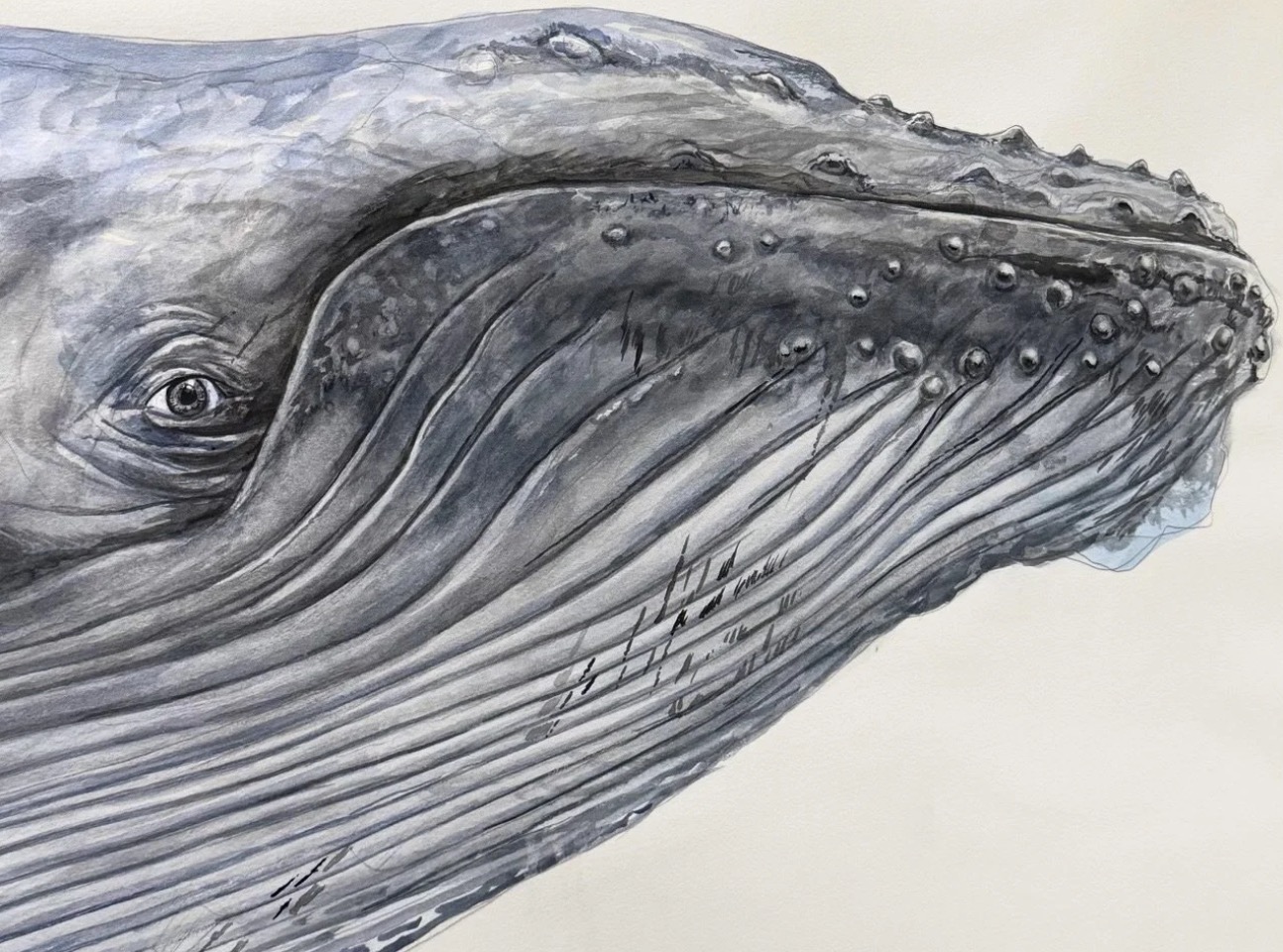
(Image on top by Thomas Broadbent)
Press release from the Front Room Gallery:
Front Room Gallery is pleased to present Leviathan River, a group exhibition that explores the profound and often overlooked relationship between whales, maritime industry, and the cultural formation of Hudson. Through contemporary artistic practices, historical reflection, and material imagination, the exhibition traces how the presence, both real and symbolic, of whales shaped the identity, economy, and mythology of this river city.
Founded in 1784 by whalers and merchants from Nantucket and other New England ports, Hudson emerged as one of the earliest inland centers of American whaling enterprise. Within just a few years of its founding, the city boasted dozens of vessels and a thriving port economy, fueled in large part by the extraction and trade of whale oil, spermaceti, and related goods. Whale oil illuminated homes and streets; spermaceti candles symbolized refinement and progress. In this way, whales were not distant oceanic beings, but intimate agents in the construction of Hudson’s urban and economic life.
The exhibition also acknowledges the contradictions embedded in this legacy. Whaling was a source of wealth, innovation, and cosmopolitan exchange, yet it was also an extractive practice that contributed to the depletion of whale populations and reshaped marine ecosystems. Today, as whales reappear along the northeastern seaboard in new ecological contexts, their presence prompts renewed consideration of coexistence, conservation, and historical accountability.
Artists in Leviathan River engage these tensions through sculpture, painting, installation, and archival intervention. Works draw upon maritime artifacts, speculative histories, and embodied narratives to reimagine the whale not only as commodity, but as witness, archive, and agent. The exhibition asks: what does it mean to inhabit a city built, in part, on the bodies of distant giants? How do histories of extraction reverberate in contemporary landscapes? And how might art serve as a site for reckoning, remembrance, and reorientation?
By bringing together past and present, Leviathan River positions Hudson not merely as a backdrop, but as an active site of inquiry; where river, ocean, and memory converge. In revisiting the city’s whaling past, the exhibition invites viewers to consider how deeply entangled human histories are with the more-than-human world, and how those entanglements continue to shape the future.